Blogs
on May 14, 2024


Feasibility of Adding ADAS to Older Vehicles While adding ADAS to an older vehicle is possible, it involves technical challenges such as sensor placement and system compatibility. Understanding these factors is crucial for a successful upgrade.
Summarizing the current state of ADAS reliability across different climates, this section will provide a balanced view of the strengths and limitations of these systems, offering a glimpse into the future of driving safety and comfort.
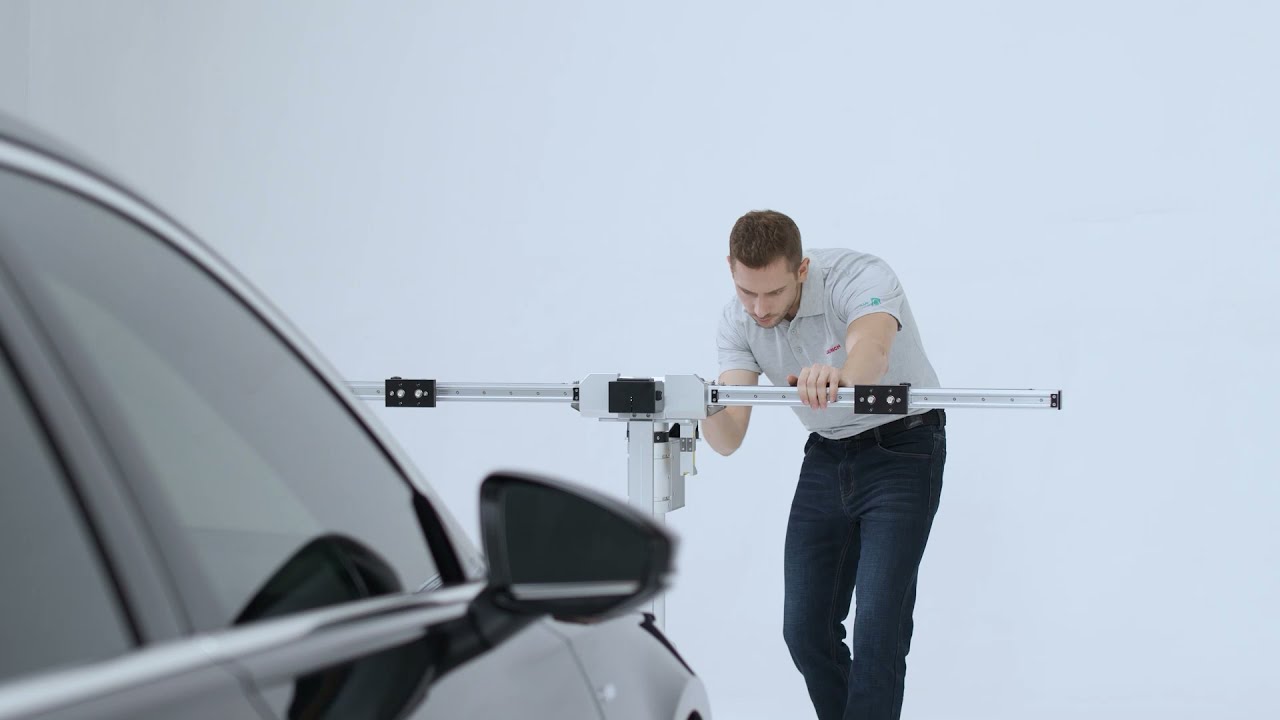 Radar Sensors: The Backbone of ADAS
Radar sensors play a pivotal role in ADAS by emitting radio waves to detect objects and their speed relative to the vehicle. They are crucial for functions like adaptive cruise control and collision avoidance systems. Despite their effectiveness, radar sensors have limitations, such as difficulty in distinguishing between stationary objects and in adverse weather conditions.
ADAS is paving the way for autonomous driving, with each advancement bringing us closer to vehicles that can navigate without human intervention. Awareness and understanding of these systems are essential for consumers, as regulatory bodies continue to evaluate and integrate these technologies into safety standards.
Self-Diagnosis Tips
For those with some technical knowledge, certain signs can indicate which sensor might be failing. For example, issues with adaptive cruise control may suggest a problem with the radar sensor, while troubles with lane-keeping assistance might point to camera sensor issues.
Radar Sensors: The Backbone of ADAS
Radar sensors play a pivotal role in ADAS by emitting radio waves to detect objects and their speed relative to the vehicle. They are crucial for functions like adaptive cruise control and collision avoidance systems. Despite their effectiveness, radar sensors have limitations, such as difficulty in distinguishing between stationary objects and in adverse weather conditions.
ADAS is paving the way for autonomous driving, with each advancement bringing us closer to vehicles that can navigate without human intervention. Awareness and understanding of these systems are essential for consumers, as regulatory bodies continue to evaluate and integrate these technologies into safety standards.
Self-Diagnosis Tips
For those with some technical knowledge, certain signs can indicate which sensor might be failing. For example, issues with adaptive cruise control may suggest a problem with the radar sensor, while troubles with lane-keeping assistance might point to camera sensor issues.
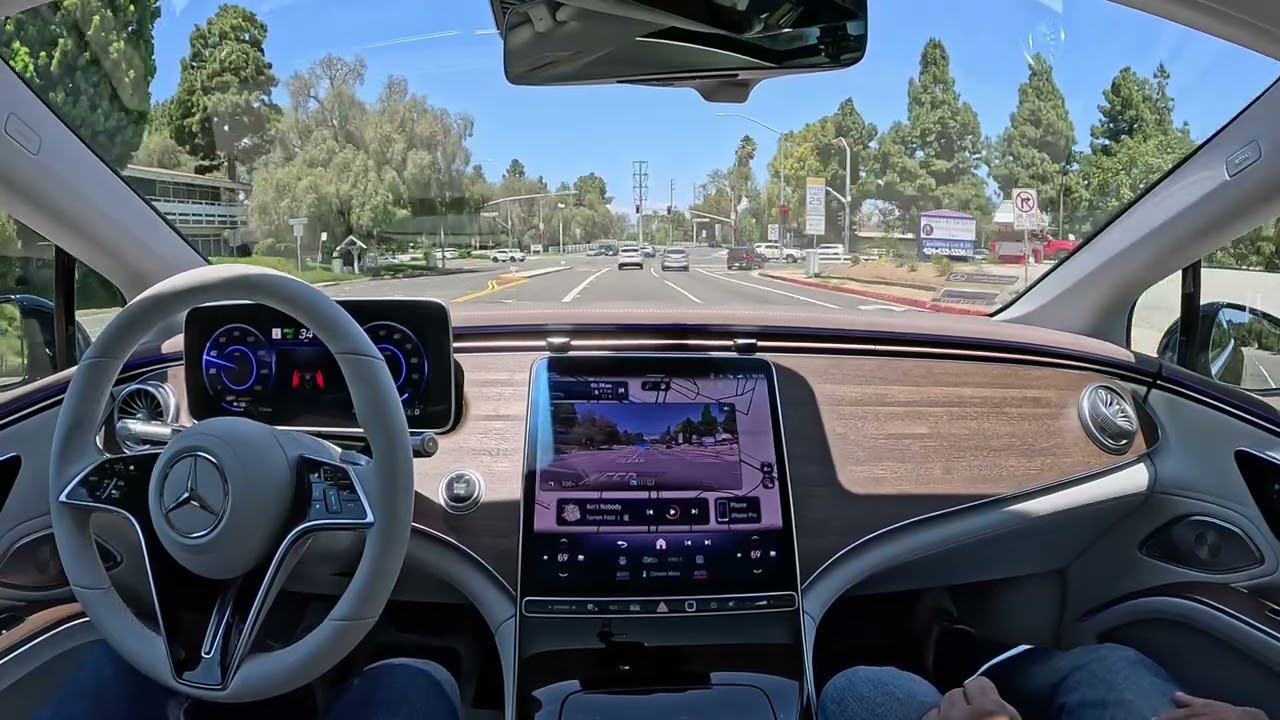 Installation Process Installing ADAS features can range from straightforward DIY projects to complex tasks requiring professional assistance. The choice depends on the complexity of the system and the individual’s technical skills.
Risks of Ignoring ADAS Calibration
Ignoring the need for ADAS calibration after a windshield replacement can have dire consequences. This section highlights the safety risks and real-life implications of overlooking this critical maintenance step.
For those whose vehicles did not come equipped with ADAS, aftermarket solutions are available. However, it’s important to consider costs, compatibility issues, and the need for professional installation.
What to Expect During Calibration
The calibration process involves adjusting the ADAS sensors and cameras to the manufacturer’s specifications. This ensures that the system’s readings are accurate and that the safety features function as intended.
Diagnosing portable adas Sensor Issues
Professional Diagnosis
While some diagnostic checks can be performed independently, a professional diagnosis is often necessary. Automotive technicians with expertise in ADAS can provide a more thorough examination and pinpoint the exact cause of the malfunction.
Overview of ADAS
ADAS technologies have become increasingly common in modern vehicles, offering unprecedented safety features that rely on a complex network of sensors and cameras. These systems are designed to detect obstacles, alert drivers to potential hazards, and even take corrective action to avoid accidents.
Government regulations play a pivotal role in ensuring the safety and reliability of ADAS technologies. This section will explore current regulations and how they impact the development and deployment of weather-proof ADAS systems.
Conclusion: The Future of ADAS Sensors
As sensor technologies continue to evolve, the potential of Portable adas expands, paving the way for fully autonomous vehicles. The advancements in sensor capabilities and the integration of new technologies will undoubtedly shape the future of driving, making it safer and more efficient.
Insurance Coverage for Calibration
Some insurance policies may cover the cost of ADAS calibration following a windshield replacement. Vehicle owners are encouraged to check with their insurance providers for details.
Repairing ADAS Sensors
DIY Fixes vs. Professional Repair
Some sensor issues, such as dirt or minor obstructions, can be resolved with simple DIY fixes. However, more complex problems, especially those involving software or internal damage, require professional repair services.
At the core of ADAS technologies are sensors and cameras designed to detect and interpret the vehicle’s surroundings. From ultrasonic sensors in parking assist systems to cameras and radar in collision avoidance systems, these components are crucial for the functionality of ADAS. However, their performance can be significantly affected by adverse weather conditions such as fog, heavy rain, or snow, which can obscure sensors’ visibility and lead to decreased system reliability.
What are the most common ADAS features?
Can I add ADAS features to a vehicle that doesn’t have them?
How often do ADAS systems need calibration?
Do ADAS features significantly reduce the risk of accidents?
Are there any downsides to relying on ADAS?
How do ADAS features impact car insurance premiums?
Conclusion
When an ADAS sensor malfunctions, taking immediate and appropriate action is essential. By understanding the steps involved in diagnosing, repairing, and preventing sensor issues, drivers can ensure their vehicles remain safe and technologically advanced. Always prioritize safety and consult with professionals when in doubt.
Installation Process Installing ADAS features can range from straightforward DIY projects to complex tasks requiring professional assistance. The choice depends on the complexity of the system and the individual’s technical skills.
Risks of Ignoring ADAS Calibration
Ignoring the need for ADAS calibration after a windshield replacement can have dire consequences. This section highlights the safety risks and real-life implications of overlooking this critical maintenance step.
For those whose vehicles did not come equipped with ADAS, aftermarket solutions are available. However, it’s important to consider costs, compatibility issues, and the need for professional installation.
What to Expect During Calibration
The calibration process involves adjusting the ADAS sensors and cameras to the manufacturer’s specifications. This ensures that the system’s readings are accurate and that the safety features function as intended.
Diagnosing portable adas Sensor Issues
Professional Diagnosis
While some diagnostic checks can be performed independently, a professional diagnosis is often necessary. Automotive technicians with expertise in ADAS can provide a more thorough examination and pinpoint the exact cause of the malfunction.
Overview of ADAS
ADAS technologies have become increasingly common in modern vehicles, offering unprecedented safety features that rely on a complex network of sensors and cameras. These systems are designed to detect obstacles, alert drivers to potential hazards, and even take corrective action to avoid accidents.
Government regulations play a pivotal role in ensuring the safety and reliability of ADAS technologies. This section will explore current regulations and how they impact the development and deployment of weather-proof ADAS systems.
Conclusion: The Future of ADAS Sensors
As sensor technologies continue to evolve, the potential of Portable adas expands, paving the way for fully autonomous vehicles. The advancements in sensor capabilities and the integration of new technologies will undoubtedly shape the future of driving, making it safer and more efficient.
Insurance Coverage for Calibration
Some insurance policies may cover the cost of ADAS calibration following a windshield replacement. Vehicle owners are encouraged to check with their insurance providers for details.
Repairing ADAS Sensors
DIY Fixes vs. Professional Repair
Some sensor issues, such as dirt or minor obstructions, can be resolved with simple DIY fixes. However, more complex problems, especially those involving software or internal damage, require professional repair services.
At the core of ADAS technologies are sensors and cameras designed to detect and interpret the vehicle’s surroundings. From ultrasonic sensors in parking assist systems to cameras and radar in collision avoidance systems, these components are crucial for the functionality of ADAS. However, their performance can be significantly affected by adverse weather conditions such as fog, heavy rain, or snow, which can obscure sensors’ visibility and lead to decreased system reliability.
What are the most common ADAS features?
Can I add ADAS features to a vehicle that doesn’t have them?
How often do ADAS systems need calibration?
Do ADAS features significantly reduce the risk of accidents?
Are there any downsides to relying on ADAS?
How do ADAS features impact car insurance premiums?
Conclusion
When an ADAS sensor malfunctions, taking immediate and appropriate action is essential. By understanding the steps involved in diagnosing, repairing, and preventing sensor issues, drivers can ensure their vehicles remain safe and technologically advanced. Always prioritize safety and consult with professionals when in doubt.
Topics:
portable adas